How Do I Run Local Ads Without Third-Party Cookies?
The Death of the Third-Party Cookie: How Local Ads Still Work in a Privacy-First 2026
Gone are the days when online ads followed you everywhere after one late-night search. By now, third-party cookies, the trackers that made this possible, are history. Big tech and regulators have put privacy first and the advertising landscape looks completely different.
But if you’re a small business owner, here’s the good news: local ads are still effective, even without third-party cookies.
What Were Third-Party Cookies?
Third-party cookies were tiny trackers, quietly collecting information as you browsed. Advertisers used them to build detailed profiles and show targeted ads, sometimes a little too targeted.
But people wanted privacy. Browsers like Chrome and Firefox listened, blocking these cookies. By 2026, third-party cookies are basically extinct.
Local Businesses: No Need to Panic
Many feared this shift would make it impossible for small businesses to advertise. That just isn’t true.
Most small businesses don’t need to track people across the entire internet. Your real goal? Reaching customers in your own community.
How Local Ads Still Work
Location Targeting Lives On
Platforms like Google, Meta, and TikTok still let you target ads by city, zip code, or neighborhood. They use device location, search queries, and profile info (with permission) to serve hyper-local ads. No cookies necessary.
Contextual Advertising is Back
Ads now focus on context, not creepy tracking. For example, if someone’s reading a local food blog, your bakery ad fits right in. Contextual ads are less invasive and often more effective for local businesses.
First-Party Data is Your Edge
You already have first-party data: emails from newsletters, loyalty program signups, or past purchases. Customers gave you this info voluntarily, and you can use it (with their consent) to send relevant offers or updates. This type of data is accurate and privacy-friendly.
Community Matters More Than Ever
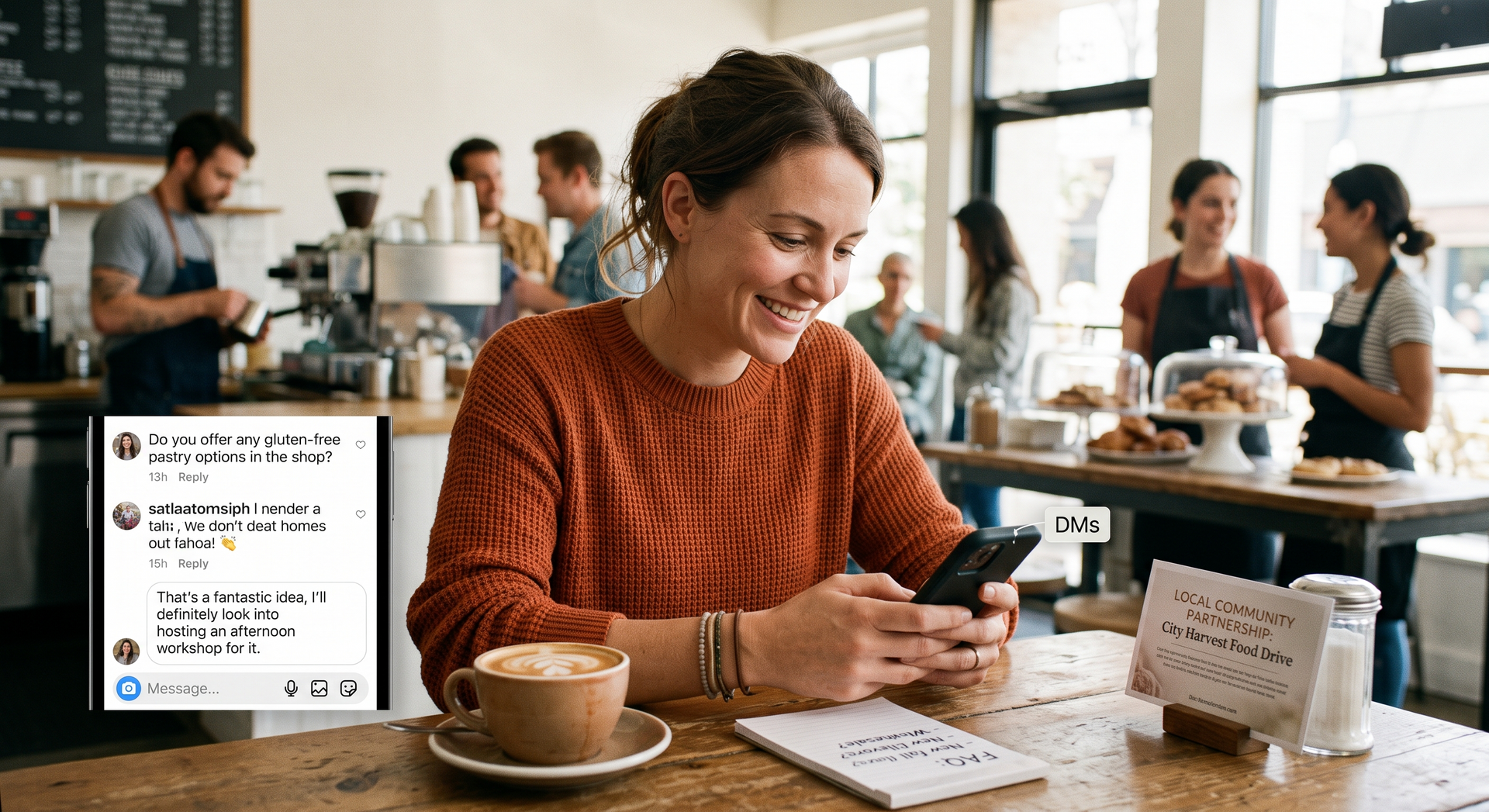
Being part of your local community makes a big difference. Sponsor events, partner with nearby businesses, or stay active in neighborhood groups online. This builds recognition and trust, the kind that makes all your other advertising work better.
The Platforms Are Still on Your Side
Big tech companies depend on small business advertising. They’ve rolled out privacy-friendly tools and smarter targeting options that don’t rely on tracking individuals. Your ads can still reach the right people without crossing privacy lines.
Final Thoughts
Losing third-party cookies didn’t kill local ads—in many ways, it made them better. Now, you can reach your neighbors with ads that respect their privacy and feel more authentic.
Focus on what matters: building direct relationships, showing up in your community, and using the data customers want to share. Local advertising in 2026 isn’t about having the most data; it’s about having the right data and making real connections.
If you’re worried about these changes, don’t be. The future is bright for local ads, and for businesses that put people and privacy first.
Looking to add more content to your Marketing Strategy?
Click the Chat 💬 widget below and Let's Connect! 🙌🏻
WebTimes Blog